Home repair loans · $500–$5,000
Credit Bad Loans for Home Repairs: Fix It Before It Spreads
A leaking roof or a dead water heater gets more expensive every week it waits. Credit Bad Loans for repairs cover the fix even when your credit is far from perfect.

What Credit Bad Loans for home repair are
A home repair loan for bad credit is an unsecured personal loan, usually $500 to $5,000, used for a specific fix such as a roof patch, plumbing leak, electrical fault or broken furnace, repaid in fixed monthly payments.
Because it is unsecured, the lender does not place a lien on your house, and you do not need home equity to qualify. That matters for people with low scores, since home equity lines and cash-out refinances usually require good credit and weeks of paperwork. A personal loan can often be approved within a day and funded within one to two business days.
Renters can use one too. If the landlord is responsible for structural repairs but you need to replace your own broken washer, pay a plumber for a clogged line you caused, or fix damage before move-out to protect a deposit, a small personal loan covers the gap.
People who search for Credit Bad Loans for repairs are usually facing a deadline set by weather, a failing appliance or a landlord inspection. The goal of this guide is to help you borrow the smallest amount that finishes the job and to keep the fix from turning into a bigger debt than the repair itself.
What it is not
This is not renovation financing. Kitchen remodels, additions and large projects belong with a home equity product or a contractor's financing plan. Personal loans through our network are sized for urgent fixes up to $5,000.
What common repairs cost
Most urgent home repairs that people finance with Credit Bad Loans cost between about $300 and $4,500, with water heaters, furnace repairs and small roof patches among the most frequent.
| Repair | Typical cost range | Common loan size |
|---|---|---|
| Roof leak patch or flashing repair | $350–$1,500 | $1,000–$1,500 |
| Water heater replacement (tank) | $1,200–$2,500 | $1,500–$2,500 |
| Furnace repair (igniter, blower, control board) | $200–$1,500 | $1,000–$1,500 |
| Burst pipe repair plus drywall | $500–$2,500 | $1,000–$2,500 |
| Electrical panel repair or breaker replacement | $250–$2,000 | $1,000–$2,000 |
| Sewer line clearing or partial repair | $300–$4,500 | $1,500–$4,000 |
Get at least two written quotes before you borrow. Quotes for the same job can differ by 40% or more, and a written estimate tells you exactly how much to request.
12 months at 29.99% APR is about $146.22 a month (estimate).
See the $1,500 loan guide
Most requested18 months at 29.99% APR is about $174.16 a month (estimate).
See the $2,500 loan guide
Example24 months at 29.99% APR is about $223.63 a month (estimate).
See the $4,000 loan guide
Each amount links to its own guide, including the $1,500 loan for mid-size fixes and the $2,500 loan for water heaters and pipe work.
Why fixing it now usually costs less
Delaying an urgent repair often costs more than the interest on a small personal loan, because leaks, electrical faults and failing heating systems tend to cause secondary damage that insurance may not cover.
A slow roof leak that costs $600 to patch in the fall can soak insulation and drywall over a winter, turning into a $3,000 job with mold remediation by spring. A water heater that is leaking at the base will eventually fail completely, often flooding a utility room. Many homeowner policies exclude damage from "long-term" leaks, so waiting can shift the full cost back to you.
Compare that with borrowing. A $1,500 personal loan at a representative 29.99% APR over 12 months costs about $146.22 a month and roughly $255 in interest in total. If borrowing now prevents even a few hundred dollars of follow-on damage, the loan pays for itself.
That logic has limits. If the repair can safely wait a month or two while you save, or if the contractor offers interest-free installments, those options are cheaper than any loan.
What lenders look at for repair loans
For home repair requests, lenders that offer Credit Bad Loans focus on income stability, your existing monthly debts and a working checking account, and they generally do not require a property appraisal, a lien or proof that you own the home.
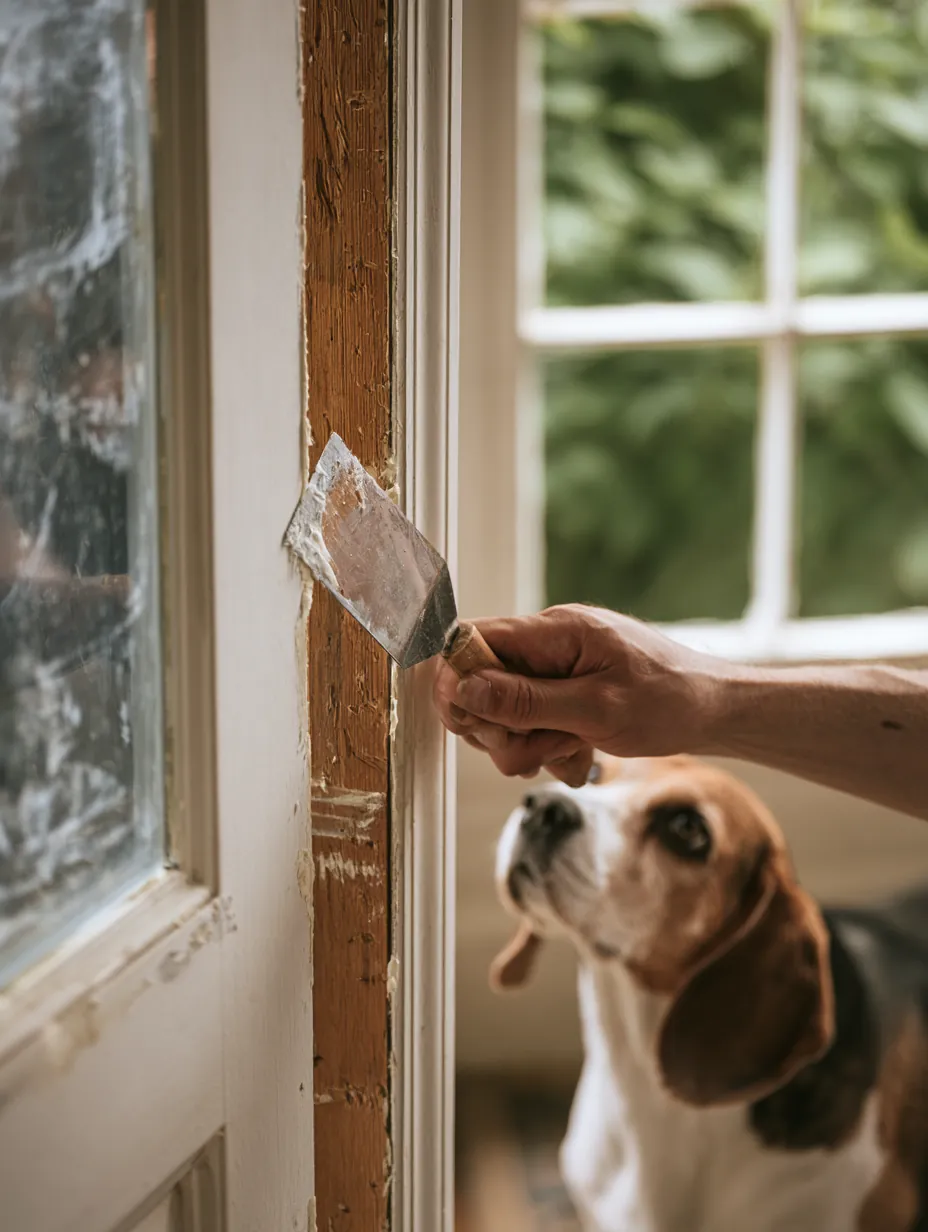
Some lenders ask for the repair purpose and the estimated cost on the application. A clear, specific purpose, such as "replace 40-gallon water heater, quote $1,850," reads better than a vague one, and it helps the lender suggest a sensible amount.
Documents usually include:
- Recent pay stubs, benefits statements or bank statements showing deposits.
- Your checking account details for the deposit and repayments.
- A government ID and your Social Security number for the credit check.
- Occasionally, a copy of the contractor quote.
Your score still matters, but many installment lenders weigh recent payment behavior more heavily than old problems. A collection from four years ago hurts far less than a missed payment last month. Our eligibility guide lists the requirements state by state.
Choosing a contractor you can trust
The safest way to hire for an urgent repair is to use a licensed, insured contractor who provides a written quote, takes a modest deposit and lets you pay the balance only after the work is done.
Storm-chasing and door-to-door "repair crews" target homeowners after bad weather, and people with bad credit can be easy marks because they feel rushed. Protect yourself:
- Check the contractor's license number with your state licensing board.
- Ask for proof of liability insurance before work starts.
- Get a written quote that lists materials, labor and a completion date.
- Never pay the full amount up front; a deposit of 10% to 30% is typical.
- Be wary of anyone who offers to arrange financing for you on the spot at an unclear rate.
Some contractors offer their own payment plans. Compare them with a personal loan by asking for the APR in writing; "low monthly payments" without an APR tells you nothing.
Costs and how to compare offers
Credit Bad Loans for home repairs usually carry APRs between about 18% and 35.99%, and the cheapest offer is the one with the lowest total of payments for a term you can afford.
Origination fees are common in this part of the market, often 1% to 8% taken from the deposit. If your quote is $2,000 and the lender deducts a 5% fee, you would receive $1,900 and come up short, so request enough to cover the fee or choose a lender that does not charge one.
| Example | Payment (est.) | Total repaid |
|---|---|---|
| $1,500 over 12 months at 29.99% | $146.22 | $1,754.68 |
| $2,500 over 18 months at 29.99% | $174.16 | $3,134.93 |
| $4,000 over 24 months at 29.99% | $223.63 | $5,367.14 |
The rates guide explains how APR, fees and term interact, and the calculator lets you test your own quote.
Step-by-step: from quote to finished repair
The smoothest path is to get a written quote, request a personal loan for that amount, compare offers by total cost, then pay the contractor's deposit and final balance on the schedule in your agreement.
- Make the home safe. Shut off water or power to the affected area and photograph the damage.
- Call your insurer first. A sudden burst pipe may be covered even if a slow leak is not.
- Collect two or three written quotes. Note the scope, materials and timeline.
- Send one request. Ask for the quote amount plus any fee, not a round number.
- Compare offers. Look at APR, fee, term and total of payments.
- Pay in stages. Deposit to start, balance on completion, and keep every receipt.
If the job comes in under the quote, consider putting the difference toward the loan right away. Most lenders allow early payoff without a penalty.
Building a cushion for the next repair
The best protection against the next emergency repair is a small, separate home fund, even $20 to $40 a week, started while you repay the current personal loan so the next breakdown does not require borrowing.
Homes fail on a rough schedule. Tank water heaters typically last 8 to 12 years, furnaces 15 to 20, asphalt shingle roofs 20 to 30, and sump pumps about 10. If you know the age of each system, you can guess which one is likely to need money next and start setting a little aside for it now.
A simple approach that works on a tight budget:
- List the big systems and their approximate ages: water heater, furnace or heat pump, roof, main appliances.
- Pick the next likely failure and price a replacement with one quick quote or an online estimate.
- Divide by the months you have left. A $1,500 water heater expected to fail in two years needs about $63 a month.
- Automate the transfer on the same day your loan payment comes out, so both happen without thinking.
Small maintenance helps stretch those timelines. Flushing a water heater once a year, changing furnace filters every one to three months and clearing gutters each fall cost little and prevent many of the repairs people finance with Credit Bad Loans.
Once the current loan is repaid, redirect the full payment amount into the home fund. A borrower who was paying $146 a month on a $1,500 loan can build a $1,750 cushion in a year simply by keeping the habit.
If you rent, the same idea applies to the things you own: a washer, a dryer, a window air conditioner or a laptop you rely on for work.
Other ways to pay for a repair
Alternatives to a personal loan include contractor payment plans, manufacturer financing on appliances, utility company repair programs, local weatherization grants and, for homeowners with good credit, a home equity line.
Many utilities run programs that replace failing furnaces or water heaters for income-qualified households at little or no cost, and state weatherization assistance programs fund insulation and heating repairs. Those programs have waiting lists, so they work best when the repair is not yet an emergency.
Some people turn to quick loans online no credit check offers when a repair cannot wait. Those products usually come with very high fees or short repayment windows, and a lender that skips every credit review is often not licensed in your state. A regulated installment loan with a clear APR is almost always the safer choice.
Our guides on paying for a furnace repair and covering an emergency roof leak compare these options with real examples.
Quick answers
Frequently asked questions
Do I need to own my home to get a home repair loan?
No. Because the loan is an unsecured personal loan, renters can use it for repairs they are responsible for, such as appliances or damage they need to fix before moving out.
Can a lender pay my contractor directly?
Most lenders in our network deposit the money into your checking account, and you pay the contractor. A few contractor-financing programs pay the contractor directly instead.
How fast can I get money for an emergency repair?
After you accept an offer, many lenders fund within one to two business days. Same-day funding is possible with some lenders if you accept early on a weekday.
Is a home repair loan tax deductible?
Generally no. Interest on an unsecured personal loan is not deductible for personal home repairs. A tax professional can confirm how the rules apply to rental property.
What if the repair costs more than $5,000?
Requests through our network top out at $5,000. For larger jobs, ask the contractor about splitting the work into phases, check whether insurance covers part of it, or look at a home equity or contractor financing option if your credit allows.
Keep exploring
Explore other loan types & amounts
Next step
Ready to see what lenders can offer?
One short request, no fee to use the service, and no obligation to accept any offer.